Dubai, United Arab Emirates: Physical passports could become unnecessary for international air travel within the next five years as airports and governments move towards biometric identity verification, according to Paul Griffiths, Chief Executive Officer of Dubai Airports.
Griffiths believes the technology required to verify passengers through biometrics is already available. However, he said its wider adoption will depend on governments, airlines and airports connecting their systems and agreeing on common standards for recognising digital identities across international borders.
In a LinkedIn post published on 9 November, Griffiths said the main challenge was no longer technological development but the coordination required to make digital identity verification work across different countries. He suggested that travellers could eventually complete airport procedures without repeatedly presenting physical documents and, in the longer term, travel without carrying their passports.
Countries are expected to adopt these systems at different speeds. For passport free travel to become widely accepted, governments will need to recognise digital identity credentials issued or verified by other countries. Without such agreements, the technology could remain limited to individual airports and national systems.
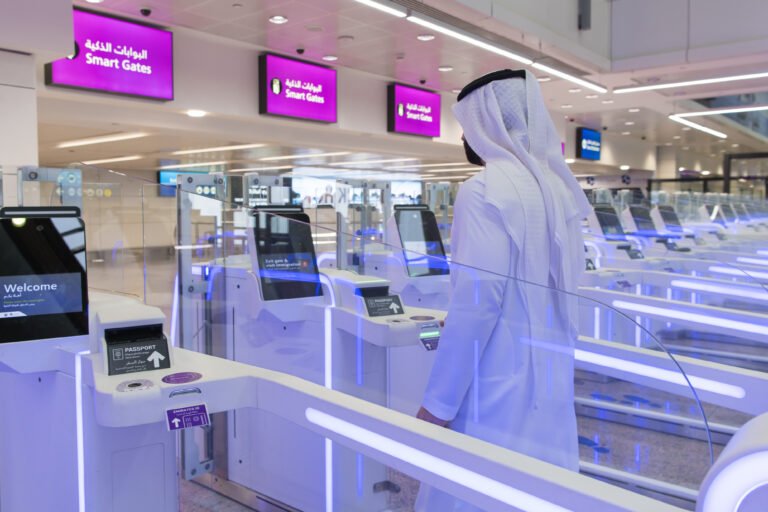
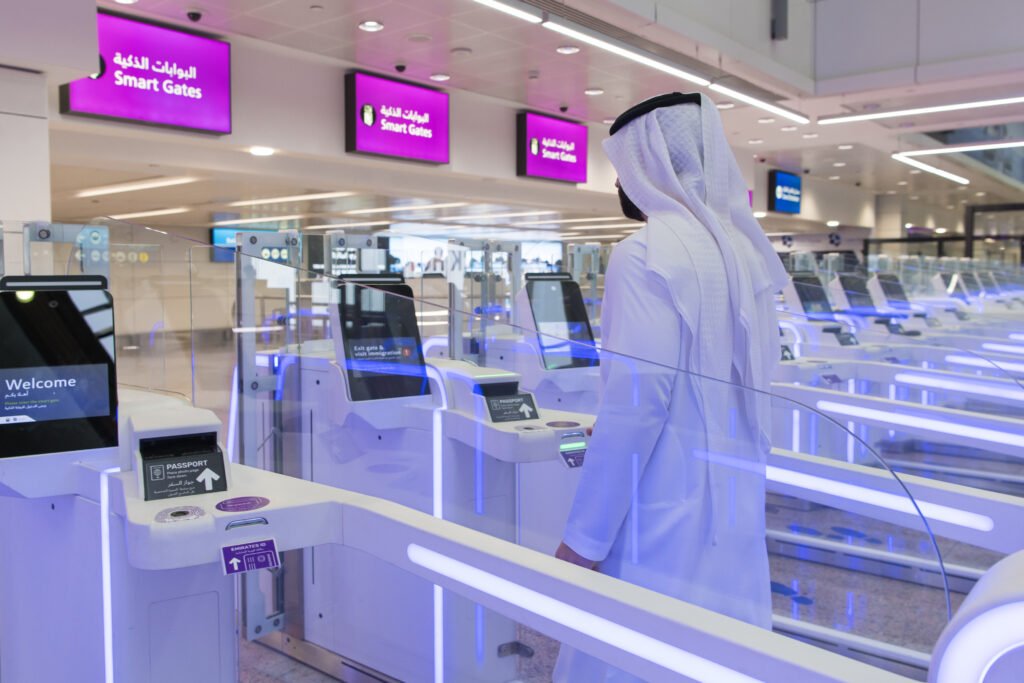
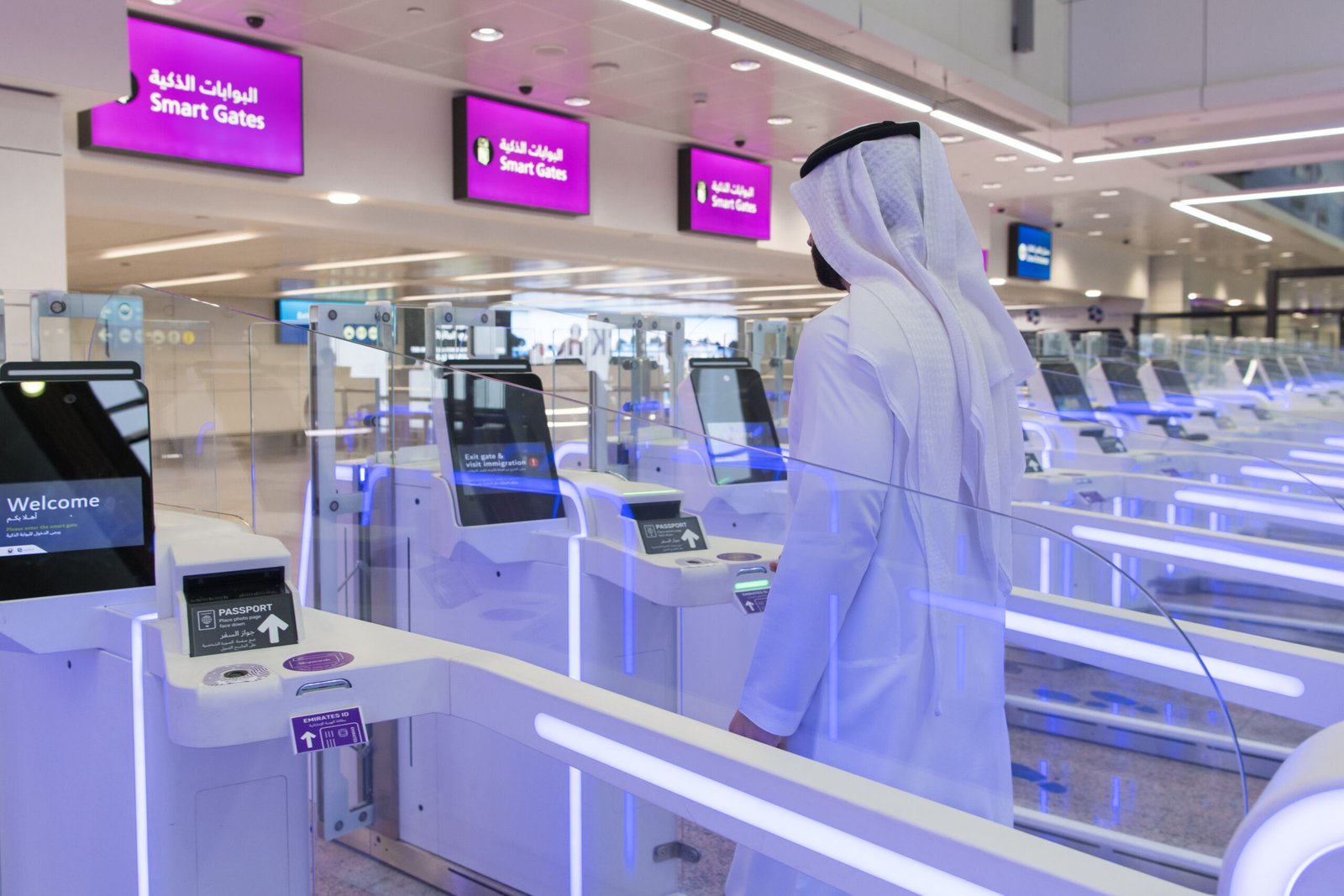
Dubai has already introduced biometric technology to simplify passenger processing at Dubai International Airport (DXB). More than 200 biometric cameras have been installed across Terminal 3, allowing registered passengers to use facial recognition at participating check in, immigration, lounge and boarding points.
The system is being developed in cooperation with Dubai’s General Directorate of Residency and Foreigners Affairs (GDRFA). Passengers must first register their identity details and biometric information. This means physical passports are still required to establish identity, even where facial recognition can be used for subsequent checks.
Dubai Airports is also upgrading security screening equipment at DXB. The new machinery is expected to allow passengers to keep laptops and liquids inside their bags during screening, reducing the number of steps involved in the security process.
The wider use of biometric technology is also expected to influence the development of Al Maktoum International Airport at Dubai World Central. The airport’s first phase is scheduled to begin operations in 2032. Once fully developed, it is planned to become the world’s largest airport.
Griffiths has previously outlined plans to redesign the airport experience by capturing passenger information earlier in the journey and using cameras to identify travellers as they move through the facility. The aim is to reduce repeated document checks and waiting times.
He has also suggested that a digital identity could eventually be used beyond the airport, allowing travellers to complete other parts of their journey, including car rental and hotel check in, without repeatedly providing identification documents.
The shift away from physical passports will depend on international cooperation and the ability of governments to recognise digital identity systems across borders. Although the technology is already being used in parts of the airport journey, a fully passport free international travel system has yet to be established.
Griffiths acknowledged that many travellers value passport stamps but questioned the long term need to carry a physical document. In his post, he wrote, “Your passport has an expiry date. I believe the need to carry it has one too.”