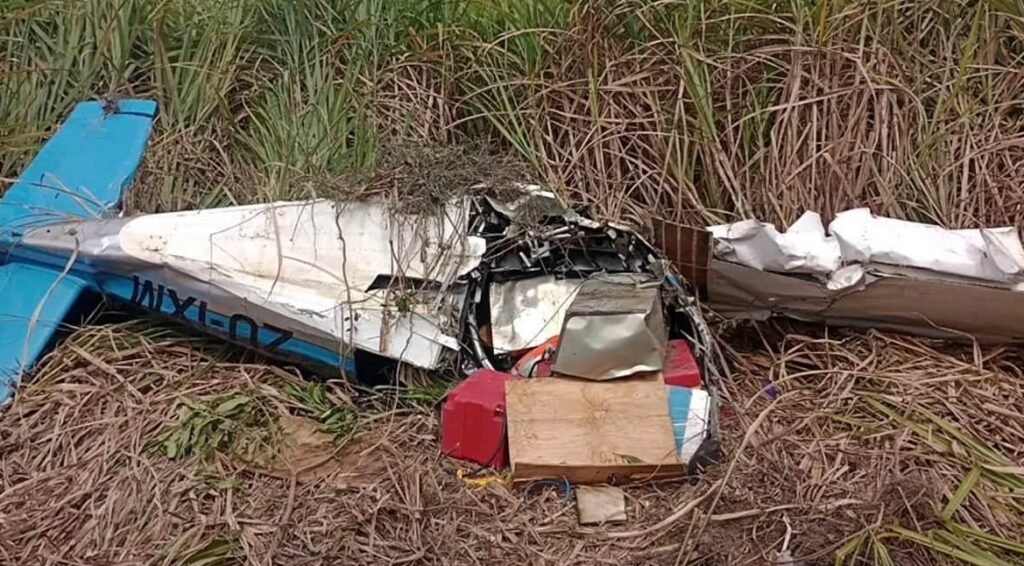
Brazil, United States: An Australian pilot lost his life when his aircraft, carrying 180 kilograms of cocaine wrapped in counterfeit SpaceX packaging, crashed into a sugarcane field in Brazil. The accident took place on September 14 near Coruripe, a coastal city approximately 500 kilometers north of Salvador. Photographs from the scene showed the seized packages marked with SpaceX logos. Brazilian authorities, including the Federal Police and Mato Grosso Civil Police, have launched an investigation into the crash, raising questions about Timothy James Clark’s potential involvement in an international drug trafficking operation. The Federal Police have not disclosed where the plane departed from or its intended destination. However, G1 Globo reported that the presence of additional fuel tanks indicates it was likely undertaking a long-distance flight. Clark, a former Qantas pilot with over two decades of aviation experience, was alone in the aircraft when it went down shortly after taking off from a rural airstrip. The plane, registered to a Brazilian owner, was reportedly transporting 180 kilograms of cocaine paste, a semi-processed form of the drug. The wreckage was located in a forested area, and investigators have suggested that engine failure may have played a role, though the exact cause is still being examined. No distress signals were recorded, and the remote location of the crash posed challenges for the initial emergency response. Authorities believe the flight may have been part of a drug trafficking route, with the cocaine potentially destined for international markets, including Australia or Europe. On the street, particularly in Australia, the cocaine could fetch an estimated value of around $80 million if sold in smaller quantities. The pilot’s professional history has added a layer of intrigue to the case. Known as a skilled aviator who previously flew for Virgin Australia and worked as a contractor for SpaceX, Clark’s alleged involvement in such a high-stakes criminal operation has surprised colleagues and acquaintances, as he had no known record of illegal activity. Investigators are now focusing on how he may have become involved in this illicit operation. Brazilian authorities are examining the plane’s ownership and any links to regional drug cartels, which are known to exploit remote airstrips in Mato Grosso for smuggling. The Australian Federal Police are also participating in the investigation to determine whether organized crime networks in Australia could be connected. Although the aircraft was registered in Zambia, it had reportedly been operating in Brazil for at least two years.
Aircraft Crashes

Australian Pilot Dies in Brazil Plane Crash Carrying Suspected $80M Worth of Cocaine

Coruripe, Brazil:  An Australian pilot, Timothy James Clark, was killed when his plane, carrying approximately 180 kilograms of cocaine wrapped […]